Nvidia Faces Major Crisis as Jensen Huang Resigns Amid China Spy Allegations
Nvidia's Biggest Crisis Yet: Jensen Huang's Exit, China Spy Allegations and a Market Shock
Published: November 13, 2026 | Category: Technology, Business & World News
Nvidia is facing one of the most extraordinary crises in its history. Its longtime CEO and co-founder, Jensen Huang, has stepped down following reports involving personal relationships, alleged Chinese intelligence connections, concerns surrounding AI chip exports and growing legal scrutiny. The developments have sent shockwaves through the technology industry and raised questions about the future of the world's leading AI chipmaker.

For more than three decades, Jensen Huang was the central figure behind Nvidia's transformation from a graphics-chip manufacturer into one of the most influential companies in the artificial intelligence industry.
Now, his departure has created uncertainty for investors, employees, customers and technology companies worldwide.
But this story is bigger than an executive resignation. It involves the increasingly complicated relationship between artificial intelligence, international business, national security and the growing technology competition between the United States and China.
Here is a closer look at what happened, who is involved, what investigators are examining and what the developments could mean for Nvidia's future.
1. How Nvidia Became One of the World's Most Important Technology Companies
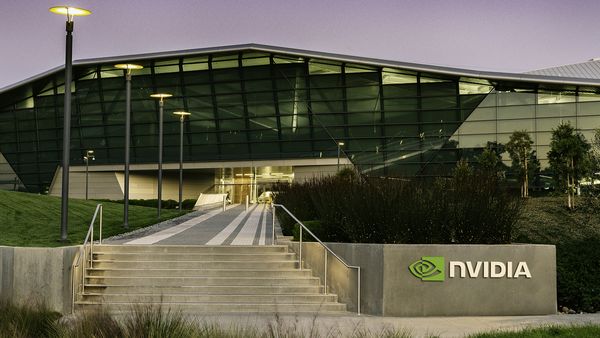
Nvidia was founded in 1993 by Jensen Huang, Chris Malachowsky and Curtis Priem. The company initially focused on graphics processing technology, particularly hardware used in gaming computers.
Over time, its graphics processing units, commonly known as GPUs, became increasingly important for scientific computing, machine learning and artificial intelligence.
The breakthrough in AI computing created enormous opportunities for Nvidia. Its GPUs became essential hardware for training and operating advanced AI models.
Major technology companies, cloud computing providers and research organizations began investing heavily in Nvidia-powered infrastructure.
Under Huang's leadership, Nvidia evolved into a company whose products became central to the global AI boom.
This background explains why the sudden leadership crisis has attracted so much attention. Nvidia is not simply another technology company facing an executive change. Its decisions can affect the direction of the wider AI industry.
2. Who Is Alice Huang and Why Is She at the Center of the Controversy?

One of the central figures in the controversy is Alice Huang, a Chinese businesswoman also known as Huang Le.
According to Reuters reporting, she held senior positions in China's financial sector before becoming the controlling shareholder of Singapore-based Megaspeed International, a cloud-computing company.
Megaspeed became important to the story because of its involvement in the international AI computing business and scrutiny surrounding possible shipments of advanced computing hardware.
Media reports have also described an alleged personal relationship between Alice Huang and Jensen Huang.
The controversy intensified after reports emerged that US authorities suspected Alice Huang of having links to Chinese intelligence.
However, these claims require careful distinction. Reuters reported that it could not independently verify the allegation that Alice Huang was an intelligence asset. China has rejected the accusations.
There has been no publicly established finding proving that Alice Huang was a Chinese spy.
3. What Is Megaspeed International and Why Does It Matter?
Megaspeed International is a Singapore-based company involved in cloud computing and AI-related infrastructure.
Its business activities attracted attention because of concerns that advanced AI servers and processors could have been routed through intermediaries to customers in restricted markets.
The issue is important because certain advanced Nvidia chips are subject to US export controls. These restrictions are designed to limit access to powerful computing technology that could have sensitive military or strategic applications.
Investigators have examined whether business arrangements involving Megaspeed and other companies may have helped restricted customers obtain advanced computing hardware.
However, it is important not to confuse an investigation into suspected export-control violations with proof that a company or individual committed espionage.
Those are separate questions requiring separate evidence.
4. Singapore's Investigation: What Authorities Have Revealed
One of the most important developments came from Singapore on November 12, 2026.
Singapore's Home Affairs Ministry said authorities had been investigating several companies since February 2025 over suspected false declarations and other offences connected to AI server and chip transactions.
The investigation included Megaspeed International and its former chief executive Alice Huang.
According to Singapore authorities, the US Commerce Department conducted a shipment verification check at Megaspeed in June 2025. Alice Huang was present during the inspection.
Singapore authorities subsequently interviewed Huang and seized her passport as part of their investigation.
The ministry later said investigators had insufficient evidence that Huang committed an offence. However, authorities said she provided inaccurate information to police and understated her role in the company.
Her passport was returned in February, but she was barred from re-entering Singapore.
Investigations involving Megaspeed and six individuals were continuing, according to the ministry.
Singapore also said it had received only limited assistance from US authorities while investigating the AI chip transactions.
This clarification is particularly important: Singapore's investigation concerned suspected local offences involving chip deals, not a determination that Alice Huang was a Chinese intelligence operative.
5. Why Nvidia AI Chips Have Become a National Security Issue
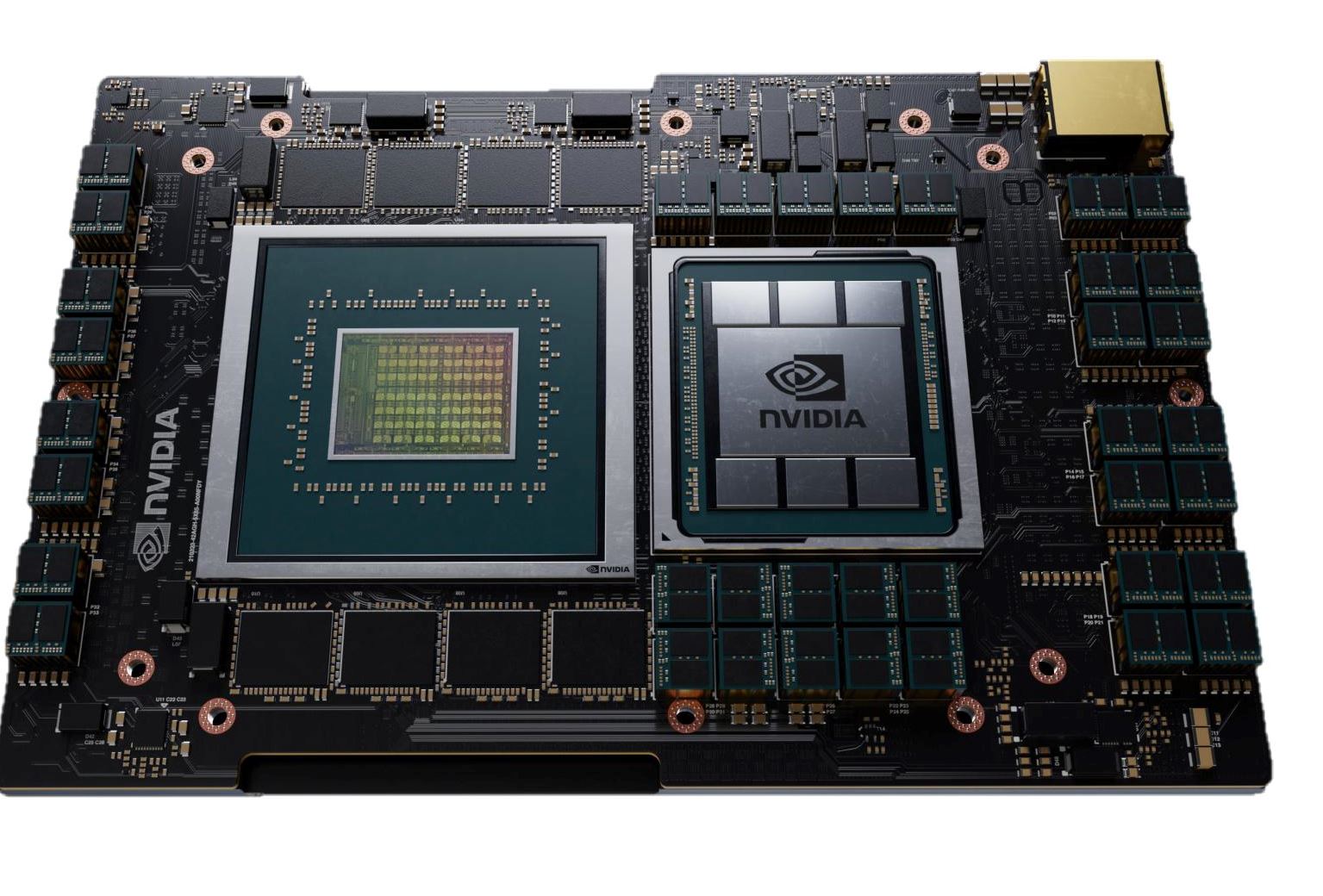
To understand the wider significance of the controversy, it is necessary to understand the importance of advanced AI chips.
Artificial intelligence systems require enormous computing resources. Training advanced models involves processing massive amounts of information through powerful semiconductor hardware.
Nvidia's GPUs are among the most important products in this market.
These processors are used in:
- Training large artificial intelligence models.
- Operating generative AI applications.
- Building advanced data centers.
- Scientific research and high-performance computing.
- Cloud computing and enterprise technology.
- Advanced computing projects with potential military applications.
The United States considers access to certain advanced chips a national security issue. Consequently, it has introduced restrictions on exports of some high-performance computing products to China.
For Nvidia, this creates a difficult commercial situation. China represents an important technology market, but the company must also comply with US export regulations.
Any suspected attempt to bypass those restrictions can attract significant attention from American regulators.
6. Nvidia Launches an Independent Investigation
On November 8, Nvidia's board of directors announced an independent investigation following reports that Jensen Huang had been the target of a foreign intelligence effort.
The board appointed a committee of independent directors to oversee the review, with assistance from outside legal counsel.
In its public statement, Nvidia said it had no reason to believe that US national security or confidential company information had been compromised.
The company also said Jensen Huang supported the investigation and had committed to cooperating fully.
On November 10, Nvidia announced that independent directors had retained Joon H. Kim, a former acting US attorney for the Southern District of New York, and the law firm Wachtell, Lipton, Rosen & Katz to conduct the investigation.
The investigation is significant because it could help determine whether any company interests, security procedures or corporate governance responsibilities were affected.
Its findings could also influence Nvidia's future policies concerning executive conduct, business relationships and internal oversight.
7. Jensen Huang Steps Down as Nvidia CEO
The biggest development came on November 12, 2026, when Nvidia announced that Jensen Huang had stepped down as chief executive.
His departure ended a leadership period that had lasted more than three decades.
According to Reuters, the decision followed a turbulent period involving reports of two extramarital affairs, including one involving Alice Huang.
Huang will also leave Nvidia's board of directors.
Nvidia Chief Financial Officer Colette Kress has been appointed interim CEO while the company considers permanent leadership candidates.
The company has also named longtime board member Harvey Jones as its first-ever board chair.
The leadership change raises major questions about Nvidia's succession planning and the company's ability to maintain its existing strategy.
Huang was not just the company's chief executive. He was also its most recognizable public representative and a major influence on its AI strategy.
8. Who Is Colette Kress?

Colette Kress is a longtime senior executive at Nvidia and has served as the company's chief financial officer.
She has played an important role in managing Nvidia's financial operations during its rapid expansion.
Her appointment as interim CEO gives Nvidia an experienced executive to oversee the company while its board considers a permanent successor.
However, leading Nvidia during this period will not be an easy task.
The new leadership must maintain relationships with major customers, reassure investors, manage regulatory pressure and protect the company's position in the global AI market.
Whether Kress becomes the permanent CEO or another candidate is selected remains an important question for Nvidia's future.
9. Shareholder Lawsuit Adds Another Problem
The controversy has also created legal challenges for Nvidia.
A proposed securities class-action lawsuit was filed on November 9, 2026, against Nvidia and Jensen Huang in the US District Court for the Northern District of California.
The lawsuit, identified as Kistenmacher v. NVIDIA Corporation, alleges that Nvidia and certain executives made misleading statements or failed to disclose important information to investors.
The claims concern the company's business relationships, reported connections involving Megaspeed and the potential risks associated with the controversy.
The proposed class period covers investors who purchased Nvidia securities between October 9, 2025 and November 8, 2026.
The lawsuit seeks legal remedies for investors who claim they suffered losses because of alleged violations of securities laws.
However, these are allegations made in a legal complaint. The filing itself does not establish wrongdoing, and the claims must be evaluated through the legal process.
The case could become another major challenge for Nvidia because shareholder litigation can create financial costs, legal uncertainty and additional public scrutiny.
10. The Stock Market Reaction and the $600 Billion Question

Investors have also been closely watching Nvidia's share price as the controversy develops.
Reuters reported that Nvidia shares fell approximately 4.3% on November 12 following the news of Huang's departure.
Separate Reuters reporting described a loss of approximately $600 billion in market value over the week amid the wider crisis and concerns surrounding the AI investment outlook.
It is important to understand that market capitalization can change for several reasons. A fall in Nvidia's valuation cannot automatically be attributed to one announcement or one investigation.
Investors are considering several risks:
- Uncertainty surrounding the company's next permanent CEO.
- Potential changes to US chip-export policies.
- Possible legal expenses and shareholder claims.
- Questions about international business relationships.
- Uncertainty surrounding future AI infrastructure investments.
Despite the market reaction, Nvidia continues to operate a major AI hardware business. The long-term effects of the controversy will depend on the investigation's findings, future business performance and investor confidence.
11. How Could the Crisis Affect US-China Technology Relations?
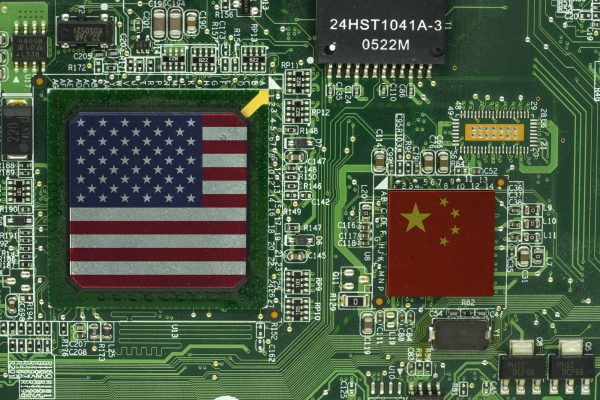
The Nvidia controversy is unfolding during a period of intense competition between Washington and Beijing.
Both countries want to strengthen their domestic semiconductor industries and become leaders in artificial intelligence.
Advanced chips are therefore more than ordinary commercial products. They are strategic resources that can influence economic competitiveness, military capabilities and technological independence.
For Washington, preventing restricted AI hardware from reaching unauthorized customers is a major policy objective.
For Beijing, access to advanced computing technology remains important for developing domestic AI capabilities.
Nvidia is caught between these competing interests. The company wants to maintain its international business while complying with American export rules.
The controversy could encourage additional scrutiny of chip shipments, international distributors and cloud computing arrangements.
It could also influence future decisions about which Nvidia products can legally be sold in particular markets.
12. What Happens Next for Nvidia?
Nvidia now faces several important challenges that could determine its future direction.
- Independent investigation: The board's investigation must examine the reported intelligence concerns and determine whether any company interests or confidential information were affected.
- Leadership succession: Nvidia must decide who will permanently replace Jensen Huang as CEO.
- Legal proceedings: The shareholder lawsuit could develop into a lengthy legal dispute.
- Export controls: US authorities may increase scrutiny of international AI chip transactions.
- Investor confidence: Nvidia must reassure shareholders that its business strategy and operations remain stable.
- International relationships: The company may need to review how it manages customers, intermediaries and overseas business partners.
These developments will be important not only for Nvidia but also for the wider semiconductor and artificial intelligence industries.
13. Can Nvidia Survive Without Jensen Huang?
One of the biggest questions facing investors is whether Nvidia can continue its growth without the person who led it for more than 30 years.
The company has a large workforce, established research teams, important technology partnerships and a substantial customer base.
Its products remain important to AI development, data centers and high-performance computing.
These strengths mean Nvidia's future is not necessarily dependent on a single executive.
However, replacing Huang will be difficult because his influence extended beyond ordinary corporate management. He helped define Nvidia's strategy, culture and public identity.
The next CEO will need to demonstrate that the company can continue innovating and growing while addressing the legal, political and governance challenges now facing it.
Final Thoughts: A Turning Point for the Global AI Industry
The Nvidia controversy represents a significant moment for the global technology industry.
What began as a story involving personal relationships and allegations of foreign intelligence connections has developed into a much wider corporate and political crisis.
Singapore's investigation into suspected chip-related offences, Nvidia's independent board inquiry, the shareholder lawsuit and Jensen Huang's departure have all contributed to the uncertainty.
But the most important questions remain unanswered. What will the independent investigation reveal? Will the legal claims succeed? Will US export policies change? And who will lead Nvidia into its next chapter?
For now, Nvidia remains one of the most important companies in the global AI ecosystem. Its ability to navigate this crisis could have consequences far beyond its own boardroom.
Frequently Asked Questions
Why did Jensen Huang step down as Nvidia CEO?
Reuters reported that Huang stepped down on November 12, 2026, following reports of two extramarital affairs and growing controversy involving Alice Huang and alleged Chinese intelligence connections.
Who is Alice Huang?
Alice Huang, also known as Huang Le, is a Chinese businesswoman who became the controlling shareholder of Singapore-based Megaspeed International. She is central to reports concerning Jensen Huang and the investigation into AI chip transactions.
Has Alice Huang been confirmed as a Chinese spy?
No. The allegations have not been conclusively established. Reuters could not independently verify the intelligence claim, and China has rejected the accusations.
Who is Nvidia's interim CEO?
Colette Kress, Nvidia's chief financial officer, has taken over as interim CEO while the company considers permanent candidates.
What is Megaspeed International accused of?
Megaspeed has faced scrutiny over suspected false declarations and possible offences involving AI server and chip transactions. Singapore's investigation remains ongoing.
Is Nvidia facing a shareholder lawsuit?
Yes. A proposed securities class-action lawsuit was filed on November 9, 2026. It alleges that Nvidia and certain executives misled investors. The allegations have not been proven in court.
Will the controversy affect Nvidia's business in China?
It could lead to greater scrutiny of chip exports and international business arrangements. The actual impact will depend on future regulatory decisions and investigation findings.
Sources and Further Reading
- Reuters – Nvidia CEO Jensen Huang resigns
- Reuters – Singapore investigation involving Alice Huang
- Nvidia – Official Board Statement, November 8
- Nvidia – Independent Board Investigation, November 10
- Hagens Berman – Nvidia Securities Class Action
Editorial Disclaimer: This article is based on publicly available reporting and company statements available as of November 13, 2026. Allegations are not established facts. The investigations and legal proceedings remain ongoing, and information may change as new evidence emerges. This article is for informational purposes only and does not constitute investment advice.


Comments
Post a Comment